
Pathways to podiatric practice
Education, training, and licensing requirements for future podiatrists.

Overview of the profession
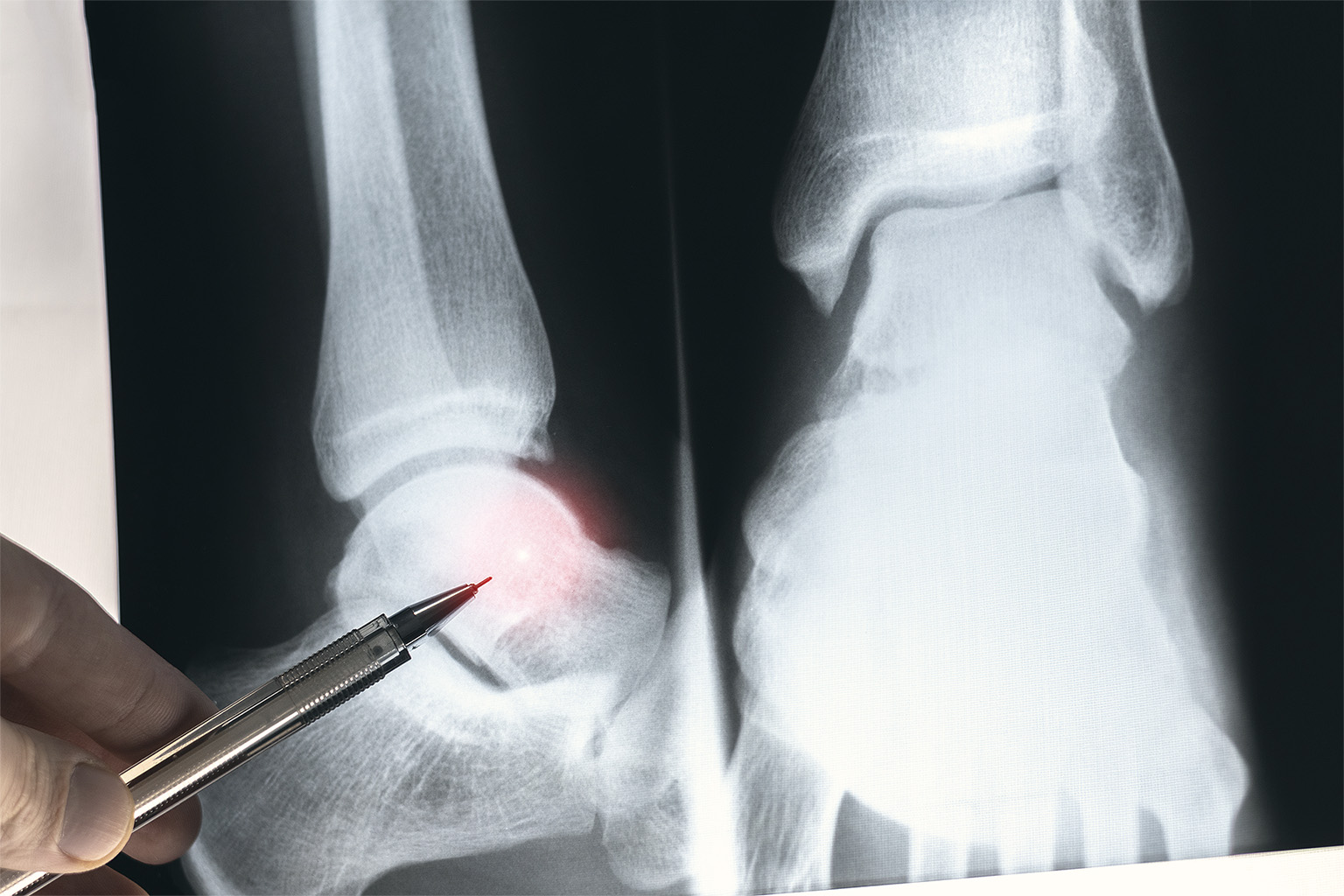
Podiatric medicine is a specialized area of healthcare that blends medical, surgical, and biomechanical skills to prevent, diagnose, and treat foot and ankle disorders.
Podiatric physicians (Doctors of Podiatric Medicine, or DPMs) are trained to treat a broad spectrum of conditions, including sports injuries, structural deformities, and complications related to diabetes and vascular disease.
In Canada, podiatrists play a crucial role in promoting mobility, preventing disability, and supporting long-term health outcomes across all age groups.

Education, training, and professional preparation
Becoming a Doctor of Podiatric Medicine
Becoming a podiatrist typically requires at least eight years of post-secondary education. This includes a four-year undergraduate degree in the sciences, followed by four years at an accredited College of Podiatric Medicine. During podiatric medical school, students complete advanced coursework in anatomy, physiology, pharmacology, and surgery. The final two years focus on clinical training and rotations in hospital and outpatient settings.
Graduates earn the Doctor of Podiatric Medicine (DPM) degree and must complete the Comprehensive Board Examinations and provincial licensing exams before practicing. Many new podiatrists pursue hospital-based residencies lasting one to three years, during which they acquire surgical and clinical experience.


Licensing and board examinations
In Canada, licensing is regulated at the provincial level. Each province sets its own requirements for education, residency, and examinations.
Candidates must provide proof of credentials and pass examinations recognized by the provincial regulatory authority before receiving a license to practice.
Residency and continuing education
Residency programs provide advanced surgical and clinical training under the supervision of experienced professionals in accredited hospitals or teaching facilities. These programs build practical skills needed for complex procedures and interdisciplinary care.
After licensing, podiatrists are required to engage in ongoing professional development through continuing education. This helps ensure they stay up to date with evolving medical research, surgical techniques, and best practices in foot and ankle care.
The Canadian Podiatric Medical Association (CPMA) and its provincial affiliates regularly host conferences, workshops, and professional seminars to support ongoing education.

Where to study

Canada
Canada currently offers one Doctor of Podiatric Medicine program at the Université du Québec à Trois-Rivières (UQTR) in Trois-Rivières, Quebec. The program closely adheres to US podiatric standards and includes both clinical rotations and comprehensive surgical training.


United Kingdom
In the UK, several universities offer BSc (Honours) Podiatry or BSc (Honours) Podiatric Medicine degrees. Graduates may pursue additional postgraduate training to qualify as podiatric surgeons. Graduates of UK programs may require additional training and must consult their provincial regulatory body to determine whether their credentials are eligible for licensure in Canada.







United States
Canadian students may also choose to study at one of the nine accredited US Colleges of Podiatric Medicine. These programs are recognized internationally and provide access to three-year surgical residencies upon graduation.
The American Association of Colleges of Podiatric Medicine (AACPM) provides centralized application and admissions information for all US colleges of podiatric medicine. Many institutions in the United States actively accept students from Canada.

Career development and professional organizations
Joining professional organizations is an important step for new practitioners. These associations support advocacy, education, and public awareness. The Canadian Podiatric Medical Association (CPMA) represents podiatrists at the national level and connects practitioners with international counterparts, including the American Podiatric Medical Association (APMA) and the Fédération Internationale des Podologues (FIP-IFP). Provincial associations provide local networking opportunities, mentorship, and access to regional continuing education programs.
Explore more CPMA resources
About the CPMA
Serving Canada’s podiatric community and advancing excellence in foot and ankle care for over a century.

Provincial podiatric associations
Find your local association for regional resources, licensed practitioners, and events.
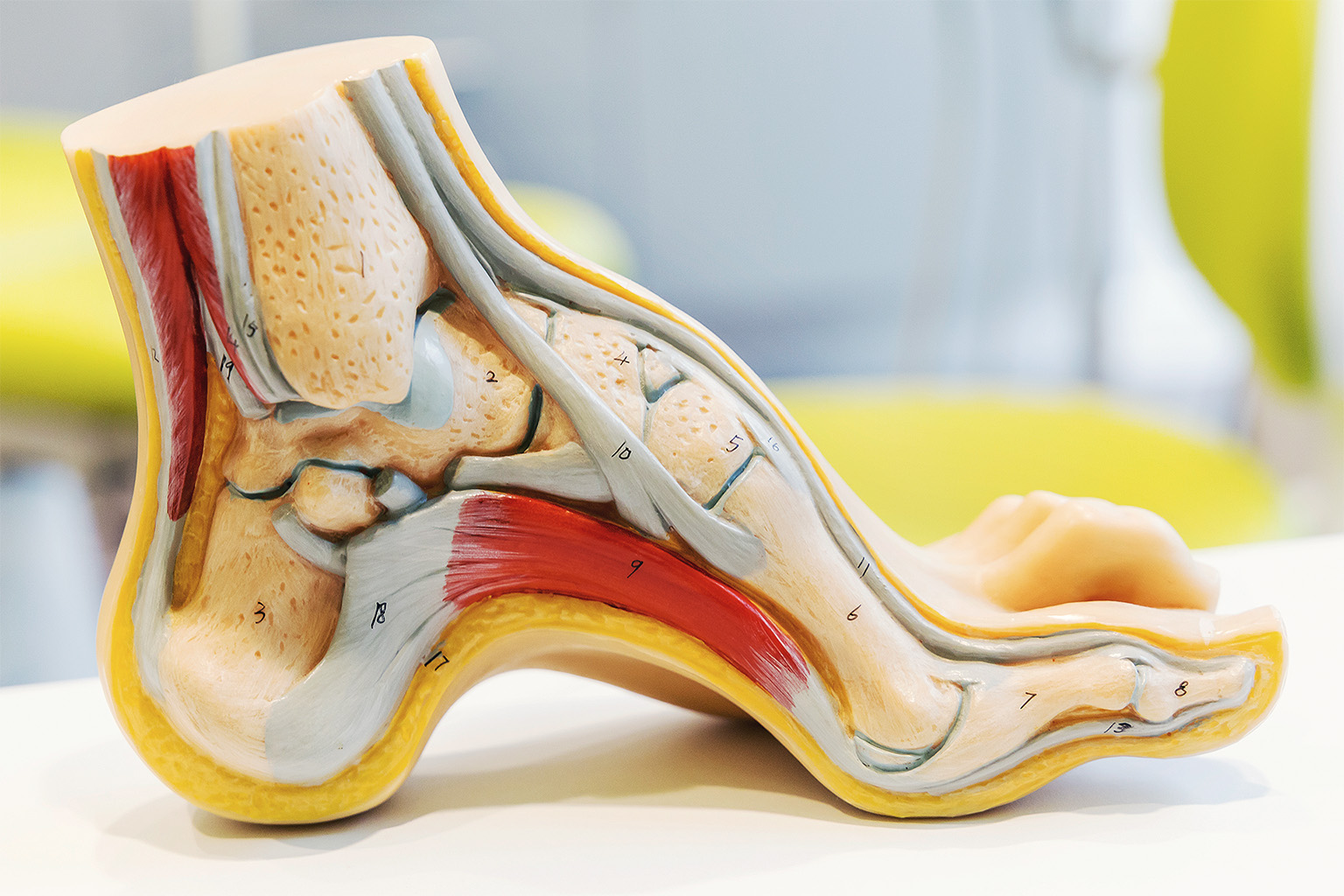
What is podiatry?
Understanding the science and practice of podiatric medicine in Canada.