
Studying podiatric medicine in the US
Guidance for Canadian students pursuing podiatric medical education in the United States (US)

Key steps to studying in the US
Canadian students interested in becoming licensed podiatric physicians often pursue their education in the United States, where accredited Doctor of Podiatric Medicine (DPM) programs and surgical residencies are available. Graduates of US podiatric programs may return to Canada to practice, provided they meet the licensing and regulatory requirements of their provincial authorities.
This guide outlines the key steps for Canadian applicants, including program selection, admissions, visas, financial considerations, and pathways to licensure upon returning to Canada.
Application and admission process
Most US colleges and universities that offer Doctor of Podiatric Medicine (DPM) programs accept Canadian applicants, though specific requirements and prerequisites vary by institution. Applicants should review each school’s admissions criteria carefully, particularly academic prerequisites, standardized testing, and documentation required for international candidates.

Where to apply
The following US institutions may accept international applicants, including Canadians:








How to apply
The application process is coordinated through the American Association of Colleges of Podiatric Medicine (AACPM). Applicants should submit transcripts, prerequisite course descriptions, and standardized test results through the AACPM centralized system.
Prerequisite courses
Prerequisite courses are provided in semester hours. Generally, a Canadian science course with three lecture hours and a lab per week equals four semester hours in the US system. Applicants may be required to verify credits through an approved transcript evaluation service.
Visa process for studying in the United States
Once accepted by a US podiatric medical school, Canadian students must obtain an F-1 student visa. This process involves coordination with the admitting institution and the US Department of Homeland Security.

Typical steps to obtain a student visa to study in the US
- Notify the selected educational institution when ready to begin the visa documentation process.
- Complete Form I-20 issued by the institution and provide proof of sufficient financial resources.
- Pay the SEVIS I-901 fee at the US Immigration and Customs Enforcement website and retain proof of payment.
- Present a valid passport, Form I-20, and SEVIS payment confirmation at the US border to obtain the F-1 visa.
Visa process for surgical residencies
After completing a DPM program, graduates wishing to enter a US surgical residency must obtain a work visa. Visa sponsorship varies widely, and some residency programs do not accept non-US citizens. Dual US/Canadian citizens are eligible to apply to all residencies without restriction.
Residency programs supported by Federal Graduate Medical Education (GME) funding or affiliated with the US Department of Veterans Affairs (VA) may have citizenship restrictions. Availability changes annually. For more info, contact residency programs directly.

Financial aid and scholarships
Canadian government student loans
Canadian students studying abroad may be eligible for government loans and grants from designated institutions.
Scholarships
Some podiatric colleges offer entrance scholarships for international students. Check directly with each institution for current opportunities.
US and private loans
US government loans are available only to American citizens or permanent residents. Dual US/Canadian citizens may qualify for both systems.
Canadian students may apply for private loans through Canadian banks; however, most US banks require a co-signer with a US credit history.
Work study opportunities
Select schools allow part-time on-campus employment for students holding an F-1 visa. Eligibility and availability are subject to institutional policies and regulations.
Returning to Canada after US podiatric training
Canadian graduates of US Doctor of Podiatric Medicine (DPM) programs must meet the licensing requirements of the province where they intend to practice. Licensing is regulated provincially, and requirements may differ across Canada.
This section outlines the typical steps to confirm eligibility, apply for provincial licensure, and understand the scope of practice before entering professional practice.
Confirm provincial licensing requirements
Before returning to Canada, the province of intended practice should be identified and the corresponding regulatory requirements reviewed. Provincial licensing authorities may differ in how they assess US education, residency training, examinations, and professional documentation.

Provincial licensing resources
Start with the provincial regulator (college/board). Professional associations may provide guidance, but licensing decisions are made by the regulator.

Alberta Podiatric Medical Association (ABPMA)
abpma.org
Association of Alberta Podiatric Surgeons
albertaps.ca
British Columbia Podiatric Medical Association (BCPMA)
bcpodiatrists.ca
Manitoba Podiatry Association
mbpodiatry.ca
New Brunswick Podiatry Association
nbpodiatry.org
Nova Scotia Podiatry Association
podiatryns.ca
Ontario Podiatric Medical Association (OPMA)
opma.wildapricot.org
Association des Podiatres du Québec
podiatresquebec.com
Saskatchewan Podiatry Association
saskpodiatry.caPracticing in Canada
Documentation and credential review
Applicants are typically required to provide documentation confirming education, residency training, examination results, and professional standing. Specific requirements vary by province and should be confirmed with the relevant provincial regulatory authority.
Scope of practice by province
The scope of practice for podiatric physicians in Canada varies by province and is defined by provincial legislation and regulatory policy. Some jurisdictions permit a broader surgical scope and prescribing authority, while others apply more limited models of practice. Requirements related to surgical privileges (where applicable), prescribing authority, use of protected professional titles, and insurance or hospital privileges are determined at the provincial level and should be reviewed prior to employment or service planning.

Early engagement with the regulator
Early communication with the provincial regulatory authority is recommended to confirm eligibility, understand required steps, and clarify anticipated timelines for assessment and registration.
Explore more CPMA resources
About the CPMA
Serving Canada’s podiatric community and advancing excellence in foot and ankle care for over a century.
Provincial podiatric associations
Find your local association for regional resources, licensed practitioners, and events.
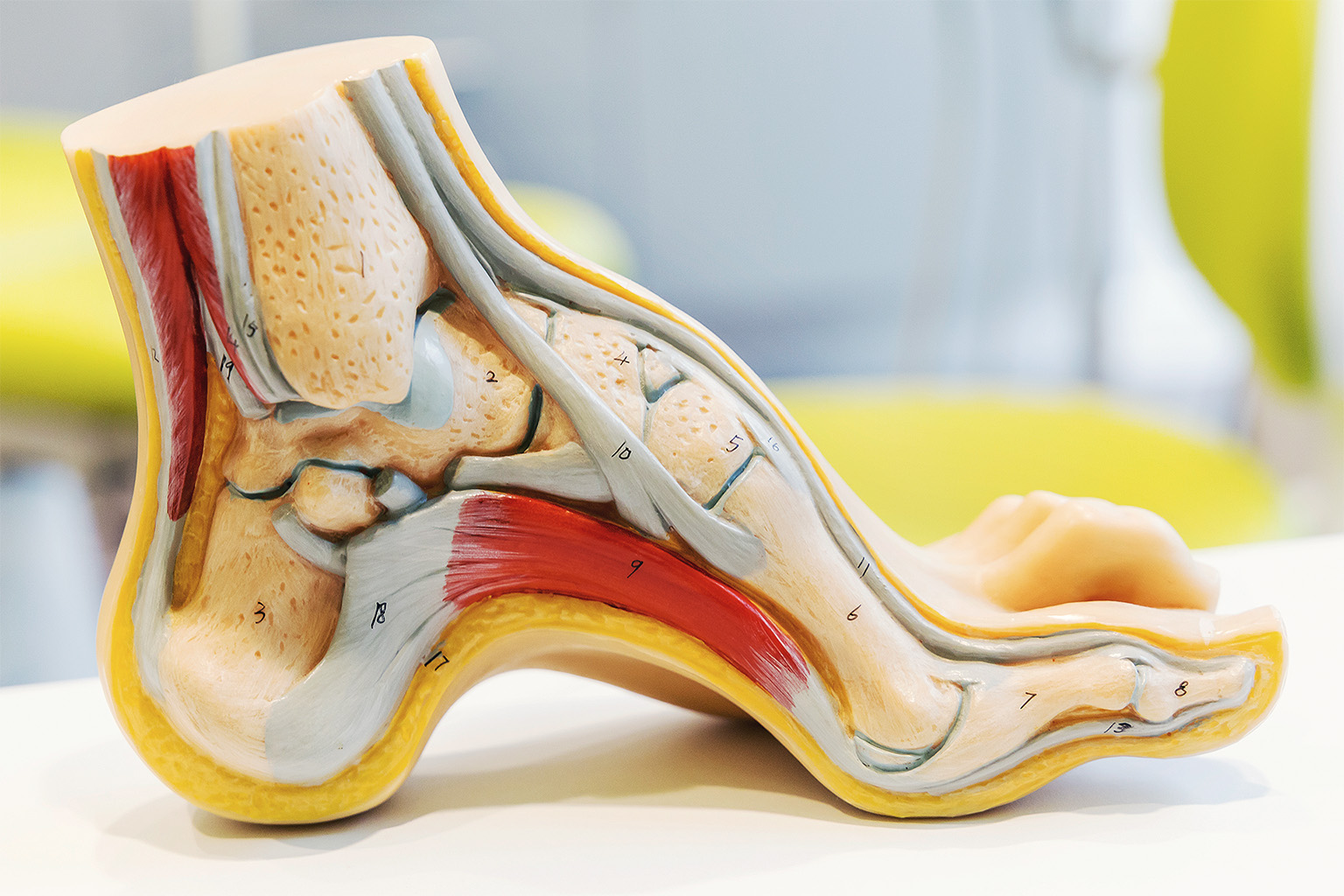
What is podiatry?
Understanding the science and practice of podiatric medicine in Canada.