
Podiatric Patient Guide
Practical information about podiatric care, insurance, and preventive foot health.

Podiatry appointment
Before an appointment
Preparing in advance supports accurate diagnosis and effective treatment. Relevant medical records should be brought to the appointment, including X-rays or test results related to foot or ankle conditions.
Where possible, commonly worn footwear may be brought or worn, as it can provide insight into gait patterns and foot alignment. A list of current medications, as well as any known allergies or previous surgeries, should also be prepared.
During an appointment
During an appointment, a podiatrist typically reviews medical history, examines the feet and ankles, and discusses reported symptoms. Assessment may include gait analysis, neurological or vascular testing, and evaluation of footwear and posture.
Treatment options may range from conservative care, such as custom orthotics or physical therapy, to minor procedures or surgical intervention, depending on clinical findings. Clear understanding of the condition and recommended treatment supports effective care.
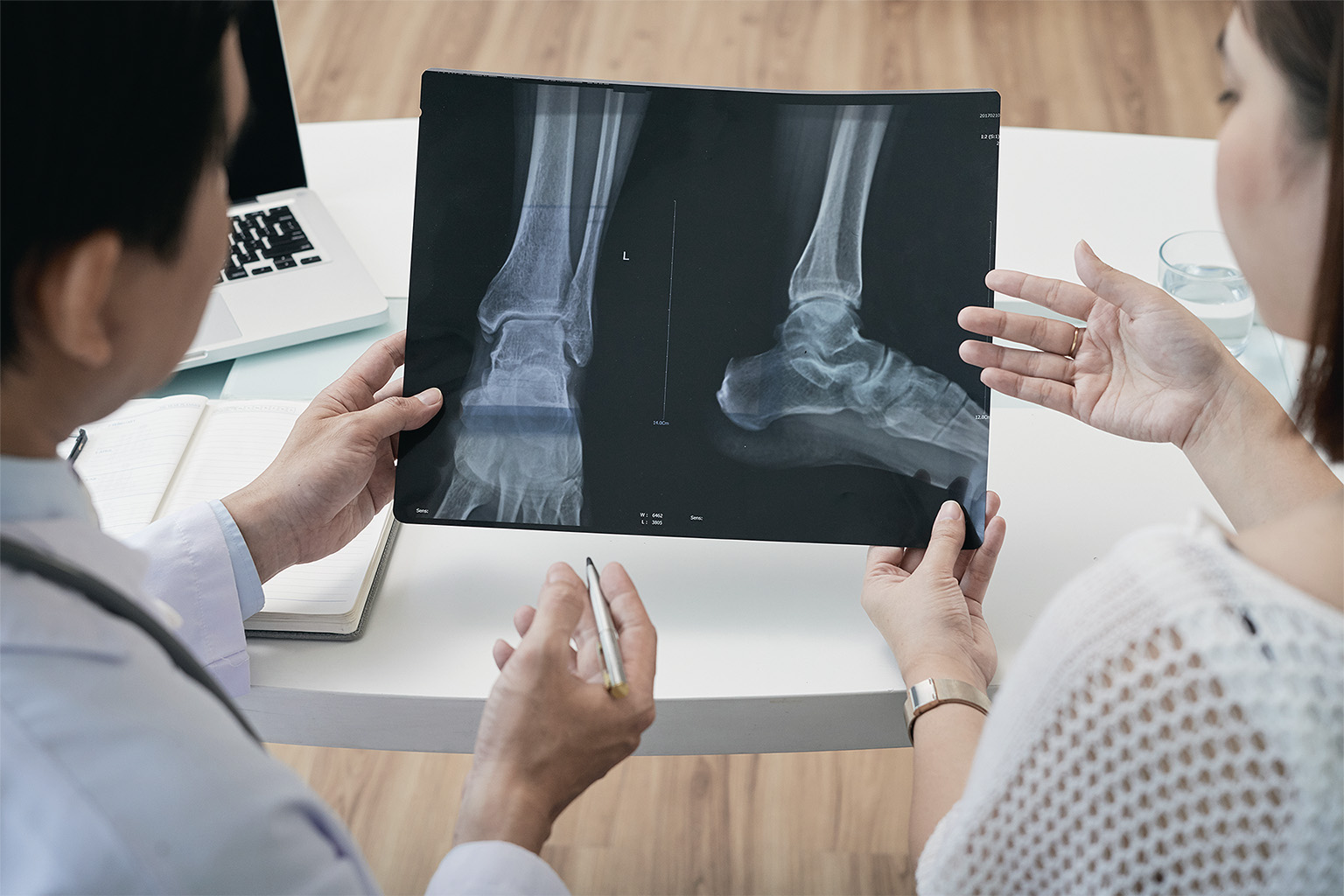



Podiatric appointment checklist
Before the appointment
- Document symptoms and note when they began
- Gather relevant medical records, including X-rays and test results
- Prepare a list of current medications and known allergies
- Wear or bring commonly used footwear
- Confirm insurance or extended health coverage, if applicable
During the appointment
- Review symptoms, pain, and mobility concerns
- Discuss diagnosis and available treatment options
- Evaluate footwear, orthotics, and recommended next steps
After the appointment
- Follow prescribed care instructions
- Retain receipts for insurance or reimbursement purposes
- Schedule a follow-up appointment if recommended
Insurance information
Coverage and fees
Podiatric medicine is not covered under the Canada Health Act; however, some provinces provide partial public funding for specific podiatric services.
Coverage levels vary by province. In certain jurisdictions, seniors or individuals living with diabetes may be eligible for limited benefits. In most cases, podiatric services are paid out of pocket or through extended health insurance plans. Coverage details should be verified prior to an appointment.
Insurance and extended health plans
Many private insurance plans reimburse part or all of the cost of podiatric services. Coverage commonly includes consultations, treatments, and custom orthotics.
Some plans require a referral from a family physician for reimbursement, while others allow self-referral. For insurance claims, itemized receipts are typically required and must specify the services provided and include the podiatrist’s licence number.
Orthotics, footwear, and quality assurance
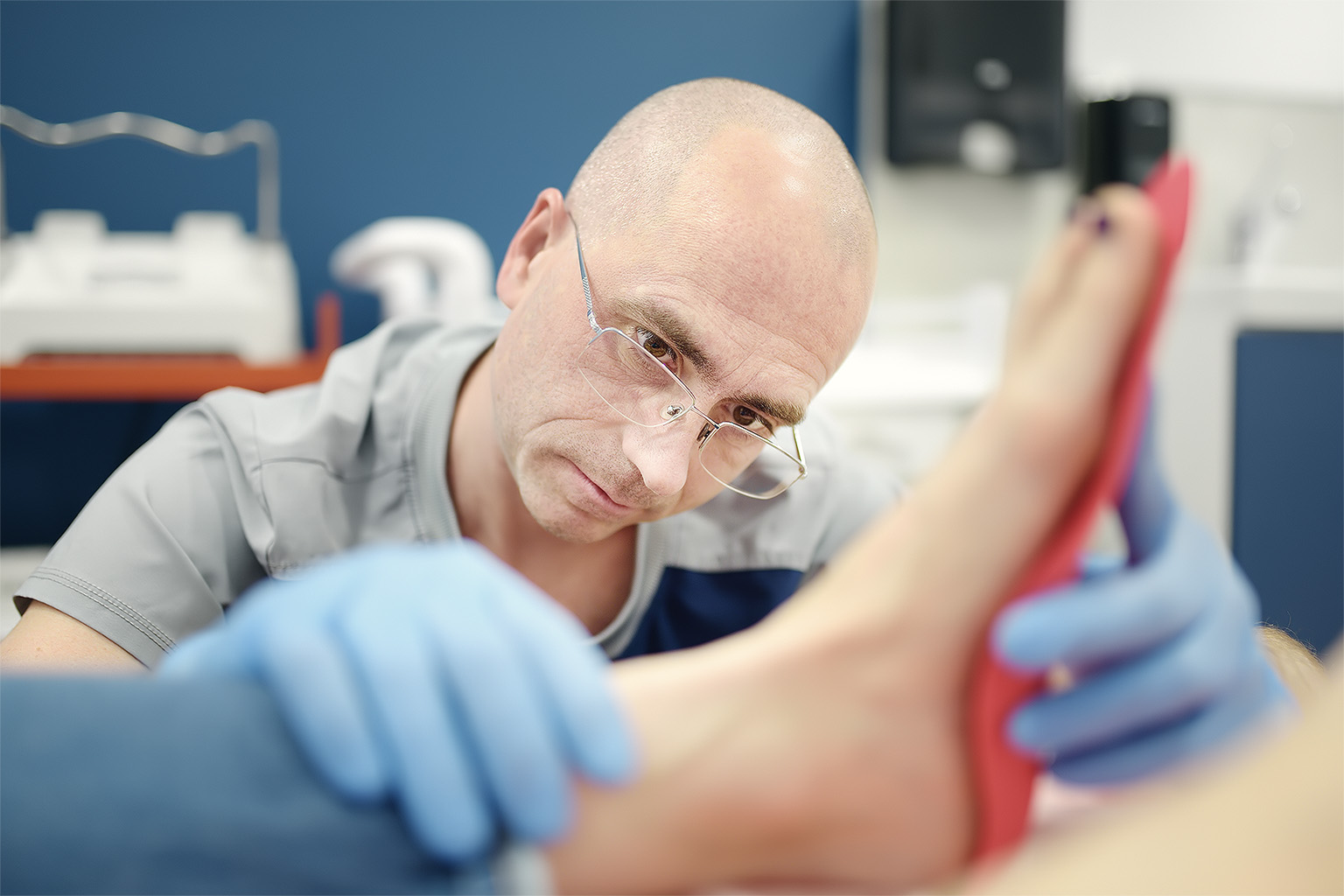
Orthotics and medical devices
Custom orthotics are prescription medical devices designed to correct foot alignment, relieve pain, and improve gait efficiency. Podiatrists use biomechanical analysis to design orthotics that address specific clinical needs.
Orthotics are typically reviewed at regular intervals, often every two years, to assess performance and determine whether replacement is required. Appropriate footwear selection is an important complementary factor, as supportive and properly fitted shoes help reduce stress on the feet and lower limbs.

CPMA Seal of Approval
The CPMA Seal of Approval identifies products that support foot health and meet established standards of safety and effectiveness.
The program evaluates footwear, hosiery, materials, and medical devices to determine alignment with evidence-based criteria and professional guidelines. Products bearing the CPMA Seal of Approval have been reviewed for their intended use in supporting foot health.
Maintaining foot health
Maintaining foot health is an important component of overall mobility and long-term well-being. Regular care and early attention to changes in foot condition contribute to the prevention of common foot and ankle issues. Consistent foot care supports comfort, stability, and independence across the lifespan.

Foot health essentials checklist
- Regular inspection of the feet for cuts, sores, or changes in skin and nails
- Ongoing foot hygiene, including keeping feet clean and dry
- Use of well-fitting, supportive footwear appropriate for daily activities
- Limiting barefoot walking in public environments
- Proper toenail trimming techniques to reduce the risk of ingrown nails
- Early management of minor foot concerns to prevent complications
- Routine podiatric assessment for individuals with diabetes or circulatory conditions
Explore more CPMA resources

About the CPMA
Serving Canada’s podiatric community and advancing excellence in foot and ankle care for over a century.

Provincial podiatric associations
Find your local association for regional resources, licensed practitioners, and events.

Pathways to podiatric practice
Detailed information on education, licensing, and certification requirements for aspiring podiatrists.